Chihuahua City Transfer
from
$406
Flat Price: $406USD Suburban (holds up to 6 people) ($8,120 MXN)
Flat Price: $500USD Van (holds up to 12 people) ($10,000 MXN)
Flat Price: $700USD Sprinter (holds up to 17 people) ($14,000 MXN)
We charge in pesos, but have an approximate USD rate shown for convenience, however, that may fluctuate based on rate at time of charge.
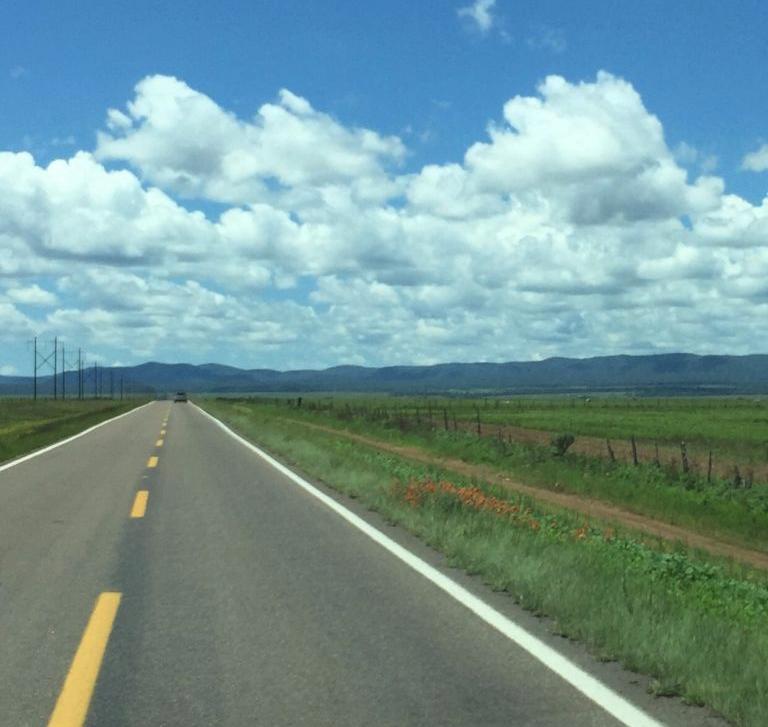
This private transfer from Creel to Chihuahua will pick you up at your Creel hotel and drop off at your Chihuahua hotel or direct at the airport if you prefer.
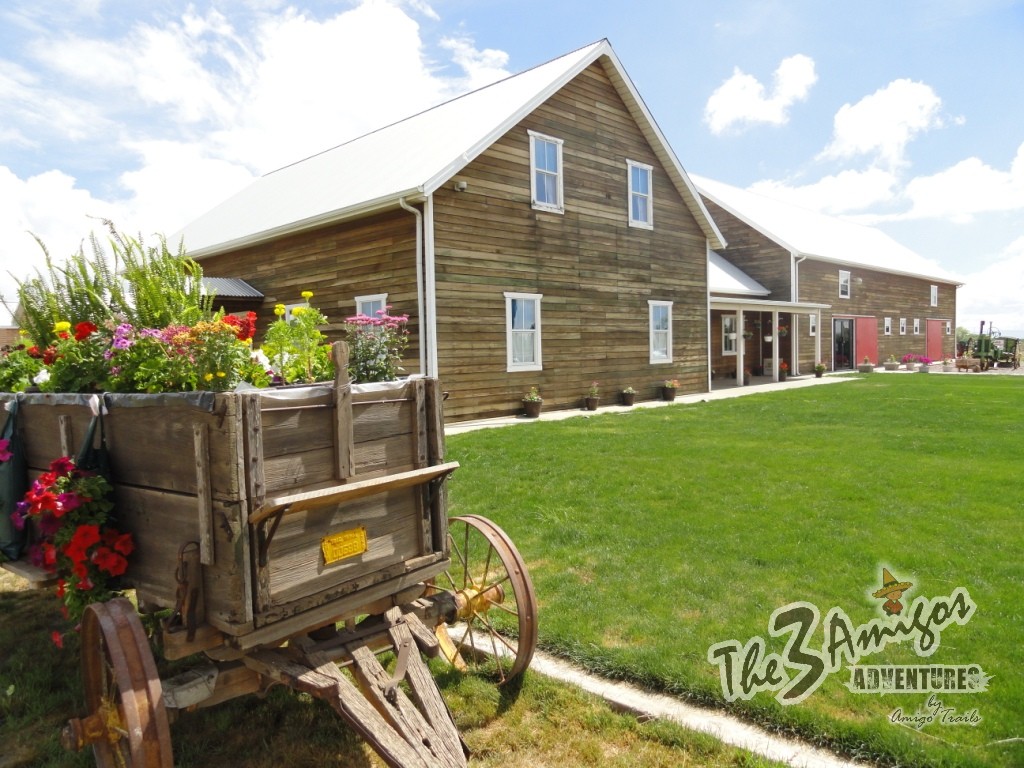
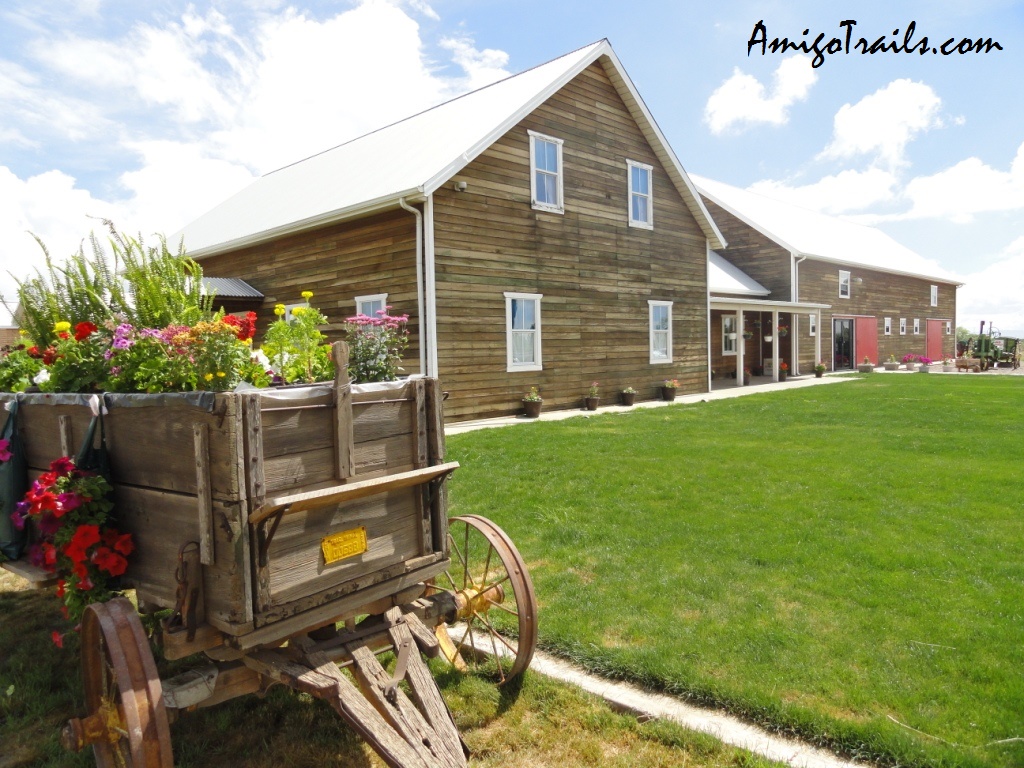
You’ll be met at your Creel hotel and driven 2 hours to the Mennonite Community of Cuauhtemoc to stop in at the Mennonite Museum as an optional activity if you’d like to include this. This museum houses a plethora of old working tools, housewares and more that were used by the Mennonites. **Please note that they do not use these implements in this community now, but are rather more advanced than traditional Mennonite communities. The Mennonites of Cuauhtemoc are more capitalistic in nature and own banks, credit unions, stores, restaurants and distribution companies. They call themselves ‘liberals’. You will not find traditional, fundamentalist Mennonites in this community.
You’ll have a chance to watch a video about how the Mennonites came to this area of Chihuahua at the museum and you can purchase various Mennonite food items and handicrafts as well there if you like.
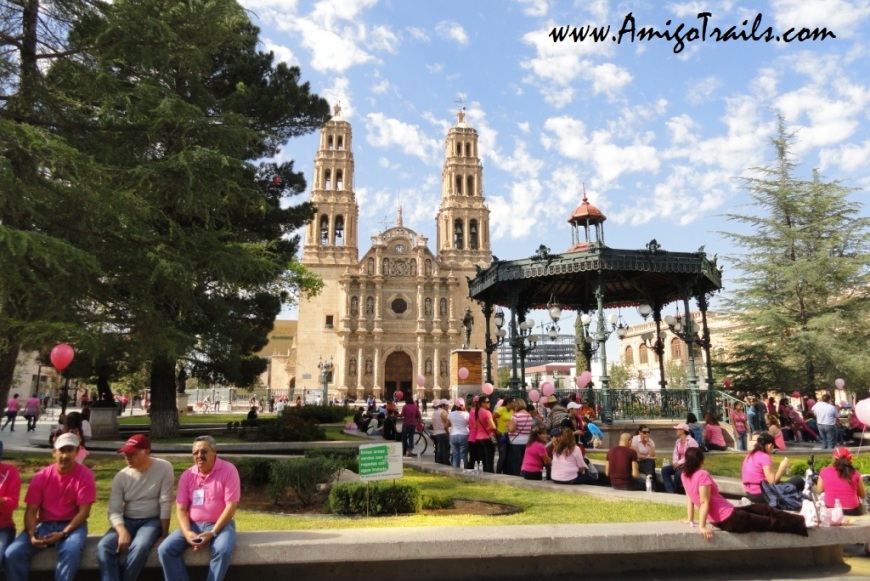
After your stop in the Mennonite Community, you’ll be driven one more hour to Chihuahua City where you’ll be dropped at your hotel or the airport to catch your flight out.
Direct drive time is 3.5 hours. With optional Mennonite Museum stop, total transfer time is 5 hours.
**Please note that you can do this transfer in reverse and begin in Chihuahua City and end in Creel. Please advise at time of booking if you prefer to do the transfer with start in Chihuahua.
SCROLL DOWN FOR MORE INFORMATION
-
Reviews 0 Reviews0/5
-
Vacation Style Holiday Type
-
Activity Level Easy
-
Group Size Small Group
All about the Chihuahua City Transfer.
Start location: Creel OR Chihuahua City
End location: Creel OR Chihuahua City
HIGHLIGHTS
- Private transfer – only you and your traveling party for maximum comfort with drop off right at your hotel door
- Stop off at the Mennonite Museum if you like to see how the Mennonites came to Chihuahua State and see some examples of their lifestyle (small entrance fee to museum not included)
- Chance to purchase Mennonite made food products such as cheese, jams, jellies and more
- Get to Chihuahua faster than taking the bus or train
Please see our Booking Policy for cancellation information and booking terms. Booking this tour or rental on this website is acceptance of your agreement to our Booking Policies.
The tour package inclusions and exclusions at a glance
What is included in this tour?Items that are included in the cost of tour price.
- Clean, well maintained and private vehicle
- Professional, private driver
- Cold water
- 16% Mexican taxes
What is not included in this tour?Items that are not included in the cost of tour price.
- Meals
- Any personal items
- Travel Insurance
- Tips
- Entrance fees to the Mennonite Museum. Please bring small change in pesos to pay them directly if you choose to stop there.
Yes, either one. When you click the Book Now button to make your reservation, you’ll see when filling in the form information that there is a spot for Hotel Pick up/Drop off. Just be sure to put the hotel you are being picked up for the tour first, then a backslash / then the hotel at which you’ll be dropped off. You can also put in any additional information in the text area for extra information that is provided, such as the hotel addresses or any special requests.
Yes, the transfer includes the stop at the Mennonite Museum in Cuahutemoc, but only if you request it specifically from your guide at time of pickup. Most people wish to have a direct transfer to give them more time in the canyons, or on the way to the airport, etc…but if you wish to make the transfer more of a tourlike experience, just let your guide know at time of pickup that you do wish to stop there.
Yes. You’ll stop for a bathroom break at the halfway point in La Junta at a local store. You can purchase Mennonite Cheese here, beef jerky and machaca, as well as natural apple based products from Cuauhtemoc as well. If you decide you want to include a stop at the Mennonite Museum, then the Museum will be the rest stop as it also has bathrooms and Mennonite Cheese available to buy, and you’ll skip the little store in the name of expediency.
Overall Rating
0/5